



Sushi recipes
The Ultimate Guide to Making Restaurant-Quality Sashimi at Home
Learn how to make mouth-watering sashimi in the comfort of your own home with this ultimate guide. Elevate your sushi game today.

Home » Is sushi healthy? Here’s what you really need to know!
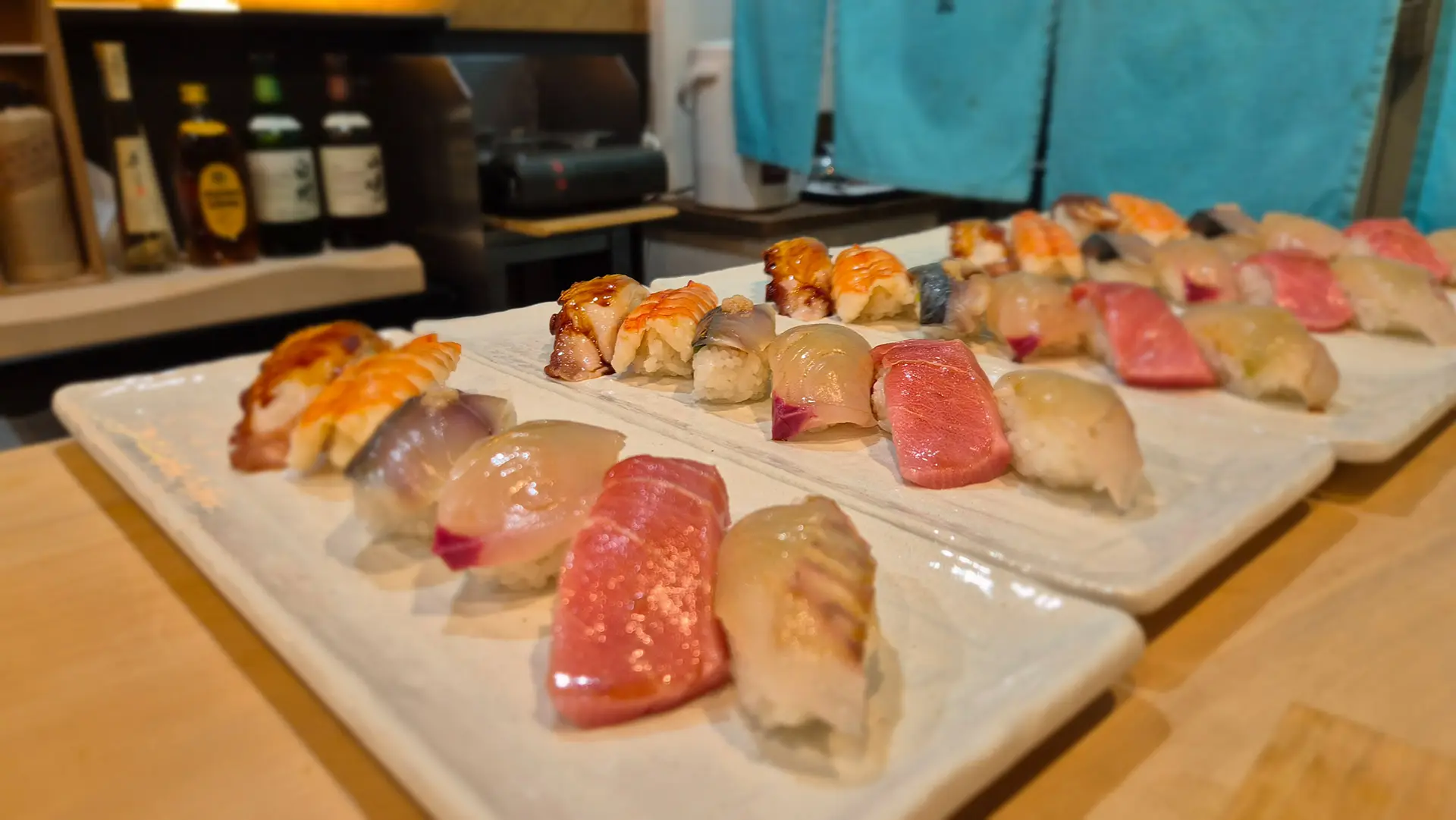
Is sushi healthy? The short answer: yes, sushi is one of the better choices you can make compared to most ready-made meals. But there’s more nuance to it than you might think. Because not all sushi is the same, and a Philadelphia Roll with cream cheese counts quite differently from a plate of salmon sashimi.
In this article I’ll explain everything. Calories, nutrients, comparison with fast food, and what really is the healthiest choice. By the time you finish reading, you’ll know exactly what to look out for, whether you’re ordering sushi or making it yourself.
And this is actually one of the questions I get asked most often during my live sushi workshops. People are standing at the rolling mat and they just ask: “But is sushi actually healthy?” The honest answer is yes, but you need to know what to look out for.
Sushi has a number of properties that set it apart from other popular meals.

Fatty fish like salmon, tuna, and mackerel, which you’ll find in many types of sushi, are among the richest sources of omega-3 fatty acids. And omega-3 is gold for your body.
Omega-3 supports your heart, reduces inflammation, improves brain function, and helps regulate blood pressure. The World Health Organization recommends eating fatty fish at least twice a week. A plate of salmon nigiri or a sashimi dish helps you get there effortlessly.
Popular sushi types rich in omega-3:
Want to know more about what’s actually in sushi? That article breaks it down ingredient by ingredient.
Fish and seafood are packed with high-quality protein. Protein fills you up, supports muscle building, and keeps your blood sugar stable. A serving of 8 to 10 pieces of sushi already delivers 15 to 25 grams of protein, depending on the filling.
The black sheet wrapped around your maki or gunkan? That’s nori, dried seaweed. And it’s loaded with nutrients: iodine, vitamin B12, iron, calcium, and antioxidants. Nori is virtually calorie-free and adds an enormous amount of micronutrients.
Wasabi has natural antimicrobial properties and inhibits the growth of certain bacteria. It’s no coincidence that wasabi has traditionally been served with raw fish.
Pickled ginger (gari) stimulates digestion and has anti-inflammatory properties. Small amounts, big effect.
This is where a lot of people are surprised: sushi has relatively few calories. Especially compared to other popular meals.
Average per piece:
A generous serving of 10 pieces of sushi comes to roughly 400 to 600 calories, depending on what you choose. That’s a complete meal for someone with an average calorie requirement.

Let’s put the numbers side by side. Because sushi should be compared to what people would otherwise eat when they don’t feel like cooking.
| Meal | Calories (approx.) |
|---|---|
| 10 pieces mixed sushi | 450 kcal |
| Big Mac + medium fries | 870 kcal |
| Döner kebab wrap | 700 kcal |
| Pepperoni pizza (3 slices) | 800 kcal |
| Chicken nuggets (10 pieces) + sauce | 620 kcal |
| Hot dog in a bun | 450 kcal |
Sushi wins this comparison on almost every front. Fewer calories, more protein, more healthy fats, and far less saturated fat. And that’s before we even get to the omega-3 that most other options simply don’t provide.
If you eat sushi with your health in mind, here’s the ranking from healthiest to less healthy:

No rice, just pure raw fish. Maximum protein, maximum omega-3, minimum calories. Perfect if you’re eating consciously but don’t want to compromise on flavour. Read everything about what sashimi is and why it’s so special and why it’s my personal favorite to eat.
A thin slice of fish on a small rice ball. Minimally processed, minimal hidden ingredients. Choose salmon, tuna, or mackerel for the most nutritional value. This salmon nigiri recipe shows just how easy it is to make yourself.
The thin maki roll with one filling, such as cucumber or salmon. Less rice, fewer calories, great when you want something that’s easy to eat but still nutritious.
Gunkan with fish or roe is full of nutrients. Temari balls are pure and unprocessed. Both are excellent choices if you want to eat consciously.
The California Roll is a solid choice. Slightly more calories than a regular maki due to the extra rice on the outside, but still a much better option than most alternatives.
Sushi is healthy, but there are a few things that can make it less healthy if you’re not paying attention.
Soy sauce is delicious, but it’s full of sodium. One tablespoon of soy sauce already contains around 900 mg of sodium, while the recommended daily amount is around 2,000 mg. Use soy sauce in moderation, or choose a low-sodium version. And dip the fish in the sauce, not the rice, because the rice soaks it up like a sponge.
This is one that catches a lot of people off guard. Sushi itself can be very healthy, but the sauces on top can quickly change that story.
Mayonnaise, spicy mayo, wasabi mayo, eel sauce, sweet chilli, sriracha mayo. They’re all delicious, but they’re also all very high in calories. A tablespoon of regular mayonnaise already has around 90 to 100 calories. When you order sushi and every roll is generously drizzled with spicy mayo, you’re easily adding 150 to 200 extra calories without even noticing.
Want to eat consciously? Ask for the sauces on the side or ask for less. And then actually enjoy them when you use them, rather than having them mindlessly squirted on top of everything.

A tempura roll with fried shrimp or fish inside already has significantly more calories than a regular roll. But there’s a category that goes even further: the fully fried sushi roll. These are rolls where the entire roll, rice and filling included, is dipped in batter and deep-fried. The outside is crispy and golden. And the calorie count shoots up.
A fully fried roll can contain up to 120 calories per piece. A portion of six pieces already adds up to 700 calories. That’s the full meal limit for many people, in one type of sushi. Not forbidden at all, but don’t call it a light meal. Know what you’re eating. An occasional Dragon Roll or crispy roll is absolutely fine. Going for fried rolls every single time adds up fast.
Rolls with cream cheese (Philadelphia Roll) or spicy mayo contain more saturated fat and calories. Again: fine as an occasional treat, just be aware of the choice you’re making.
Many California Rolls are made with imitation crab (surimi) instead of real crab meat. Surimi is finely ground white fish with starch and flavourings. Not unhealthy, but not the same as real fish. If you have the choice, go for the real thing.
Sushi rice is white rice, and white rice has a high glycemic index. That means it raises your blood sugar quickly. For people with diabetes or insulin resistance, this is worth keeping in mind. Sashimi is the safest choice in that case. For everyone else, there’s no need to lose sleep over it.

Is sushi good for your heart?
Yes. The omega-3 fatty acids in fatty fish like salmon and tuna support heart function and lower the risk of cardiovascular disease. Eating sushi regularly fits perfectly into a heart-healthy diet.
How much sushi can you eat per week?
There’s no hard limit, but due to the mercury content in some fish (especially large tuna like bluefin tuna), it’s advised not to eat those every single day. Salmon, shrimp, and cucumber are safe to eat more often without concern. Read more about how many pieces of sushi per person in this article.
Is sushi healthy for children?
Yes, with the exception of raw fish for young children (under 6 years old). Cooked sushi like shrimp nigiri, cucumber maki, or tamago (egg) is fine for children. Raw fish requires a strong immune system.
Is sushi suitable as a diet meal?
Absolutely. Especially sashimi and regular nigiri are low in calories, high in protein, and nutritious. They fill you up well without feeling heavy. A better diet meal than most options you can grab on the go.
Is vegetarian sushi also healthy?
Absolutely. Avocado is full of healthy fats and potassium. Cucumber hydrates. Sweet potato provides energy. Edamame is packed with plant-based protein. Vegetarian sushi is an excellent choice.
Is sushi healthy during pregnancy?
Raw fish is not recommended during pregnancy due to the risk of listeria and salmonella. Cooked sushi (shrimp, egg, vegetables) and vegetarian options are safe. Always consult your midwife or doctor.

If you really want to get the most out of sushi’s health benefits, make it yourself. Because then you know exactly what’s in it. No hidden sugars in the rice, no overdose of soy sauce, no cheap imitation crab unless you want it.
You choose your own fish (preferably fresh and sushi-grade), you use the right amount of rice, and you make the sushi you actually enjoy. And you get double the pleasure, because making sushi yourself is also just incredibly good fun.
Want to know whether making sushi will be difficult for you? Read our honest article: is it difficult to make sushi yourself? The answer surprises most people.
And if you want to learn step by step, from the rice to the finishing touch, our online sushi course is exactly what you need. More than 50 videos, explained clearly, entirely at your own pace.
Ready to roll? See you on the other side.
Rik Keijzer is the founder of School of Sushi and taught himself the art of sushi making from scratch. Now he helps people all over the world enjoy the finest Japanese culinary experience right in their own kitchen.

Sushi chef and founder of the School of Sushi. Making your own sushi is easier and more fun than you think! Through workshops and online courses, I’ll show you how to roll delicious sushi for your friends & family. Ready to roll?


Learn how to make mouth-watering sashimi in the comfort of your own home with this ultimate guide. Elevate your sushi game today.

The Poké Bowl! A delicious dish originating from the beautiful tropical islands of Hawaii! Yes, Hawaii, not Japan as many people think. In the early

Dive into Australia’s sushi scene with Top 10 Most Popular Sushi in Australia. Grab your chopsticks and explore what’s hot Down Under!
Make Your Own Sushi: A Step-by-Step Guide from Rice to Finishing Touches. From maki to nigiri. Tips from a sushi instructor with hundreds of workshops under his belt.

Discover how the Hmong people of Mu Cang Chai grow rice by hand. A sushi chef’s inspiring look at the art, effort, and heart behind every grain.

Discover Kabuki in Maspalomas, Gran Canaria: a culinary masterpiece with fresh fish and unique dishes in a stunning location. Perfect for a romantic night out!


Master the art of sushi-making at home with my fun online course, featuring 50+ step-by-step videos, expert tips, and delicious recipes to impress your loved ones!